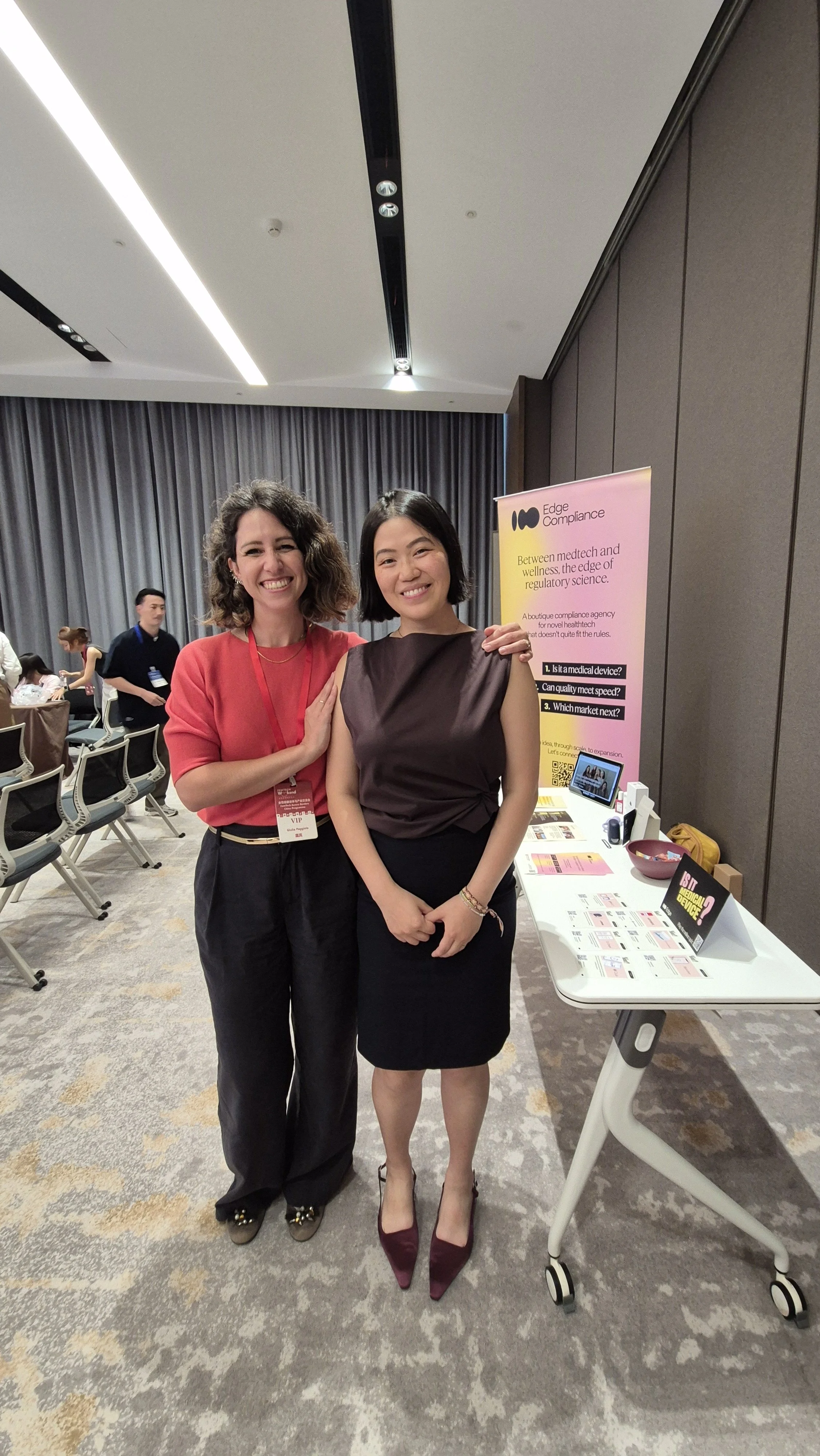
China's health tech is a decade ahead; synergise, don’t reinvent the wheel
China's health tech is a decade ahead in ways the West hasn't caught up to yet — AI-designed hospital workflows, scarless surgery, full IoT hospital monitoring — alongside a population still deeply rooted in Traditional Chinese Medicine. A Shanghai summit, and the investor bridging China and the West in women's health.

Medicines are “essential goods”, why not devices?
Medicines get reduced VAT as "essential goods," devices don't. A look at how Swissmedic's funding gap traces back to 2002 and 2021.
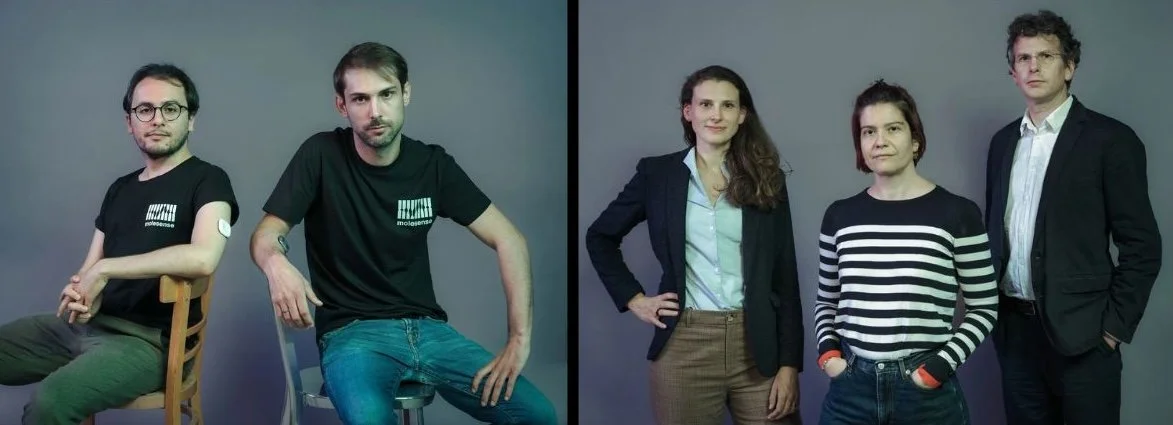
Eight teams at the edge of continuous hormone monitoring
From aptamer sensors to a fully implantable biochemical device — meet the 8 teams selected for SPRIND's €40M Continuous Hormone Monitoring Challenge.

Inside SPRIND’s jury for Continuous Hormone Monitoring
From wearable bioelectronics to metabolic research to decades of clinical obstetrics — the jury for SPRIND's Continuous Hormone Monitoring Challenge brings together an unusually wide range of expertise. Here's who's in the room, and where Edge Compliance fits in to assess regulatory strategy.
SPRIND's Continuous Hormone Monitoring Challenge open for applications
Hormones drive nearly every process in the body, yet we still measure them with single static snapshots. SPRIND's €40M Continuous Hormone Monitoring Challenge is funding sensor technology to change that — and I'll be on the jury selecting the founding teams. Here's what they're building, and why.

Notes from Scarlet's digital health summit
A day of genuinely open debate on digital health regulation: why the risk of not approving a solution deserves as much weight as the risk of approving one, what duty of care looks like at consumer-platform scale, and whether continuous deployment can ever fit inside traditional regulatory review.
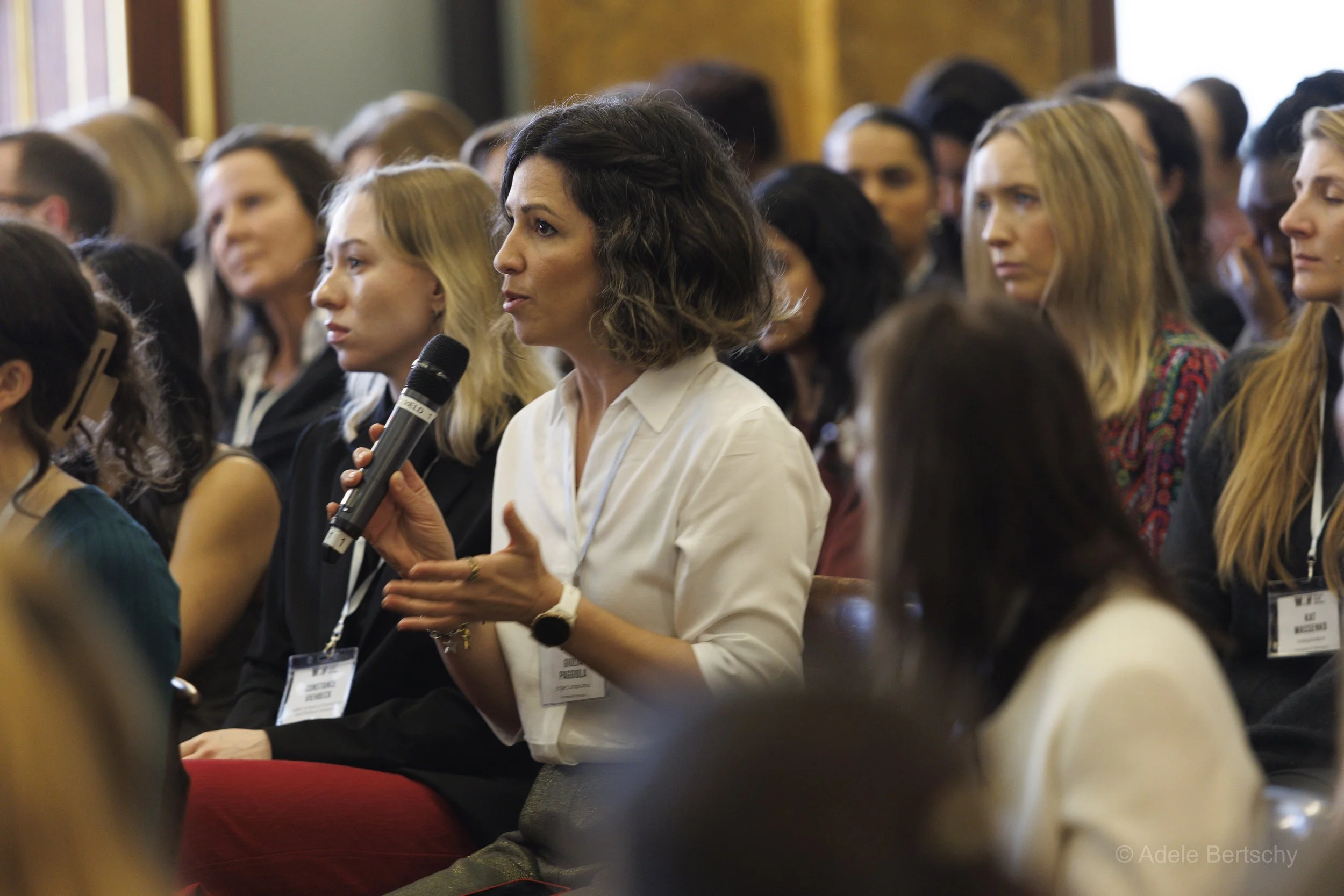
One day, we won't need to call it "women's health"
A decade ago, "green chemistry" was a hard sell — now it's just how chemistry gets done. Drawing on that shift, here's why women's health is on the same trajectory, and what regulation, funding data, and momentum tell us about how fast it could get there. Reflection from our attendance to Women’s Health Horizons conference in London.
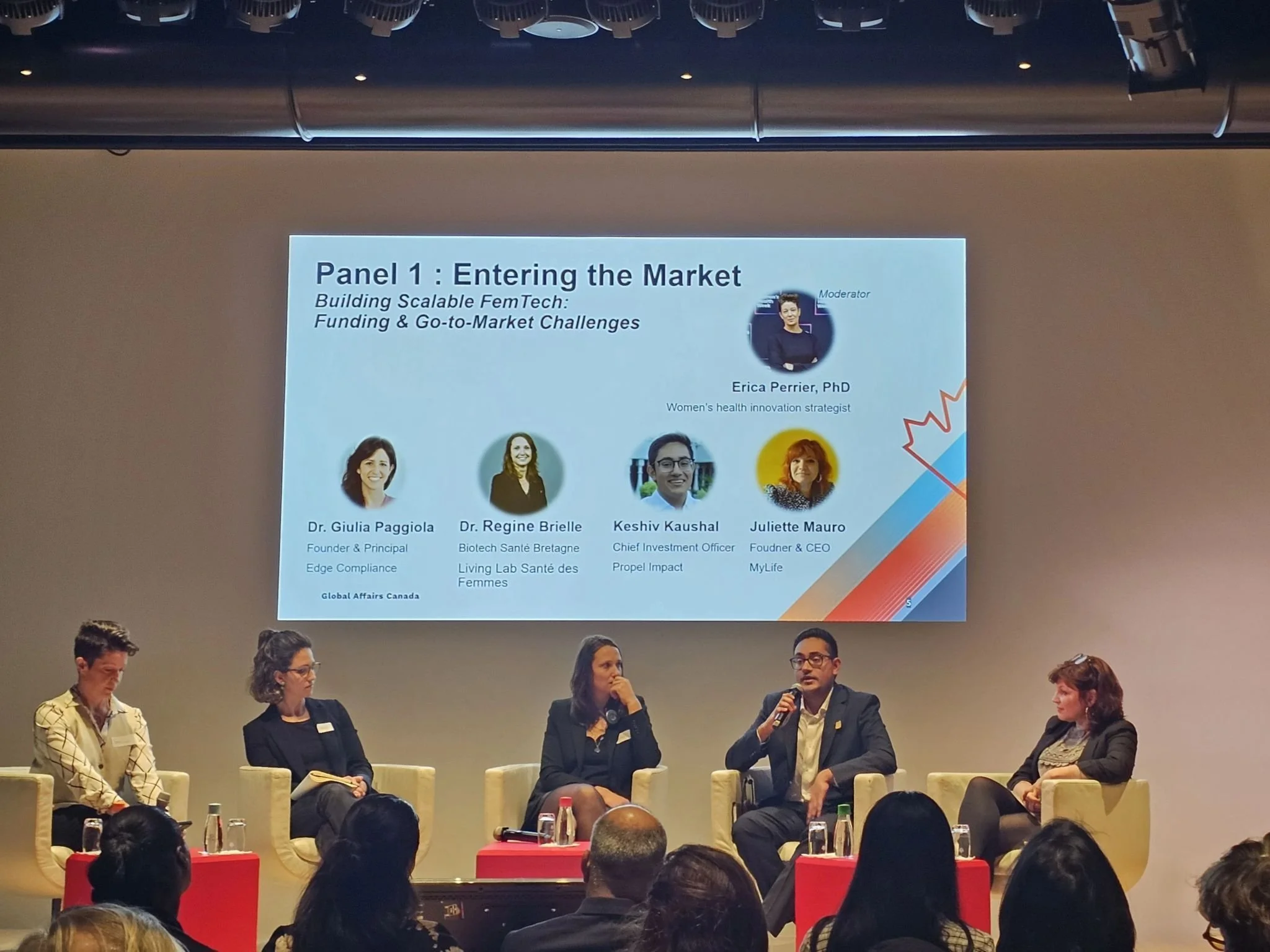
What can we learn from… Canada?
This post explores the "Canadian Technology Accelerator" model for international expansion, sharing insights from a bilingual FemTech panel in Paris on how high-potential startups - like PCOS-focused mentee Élan Healthcare - can leverage diplomatic networks and local mentorship to navigate global regulatory compliance.
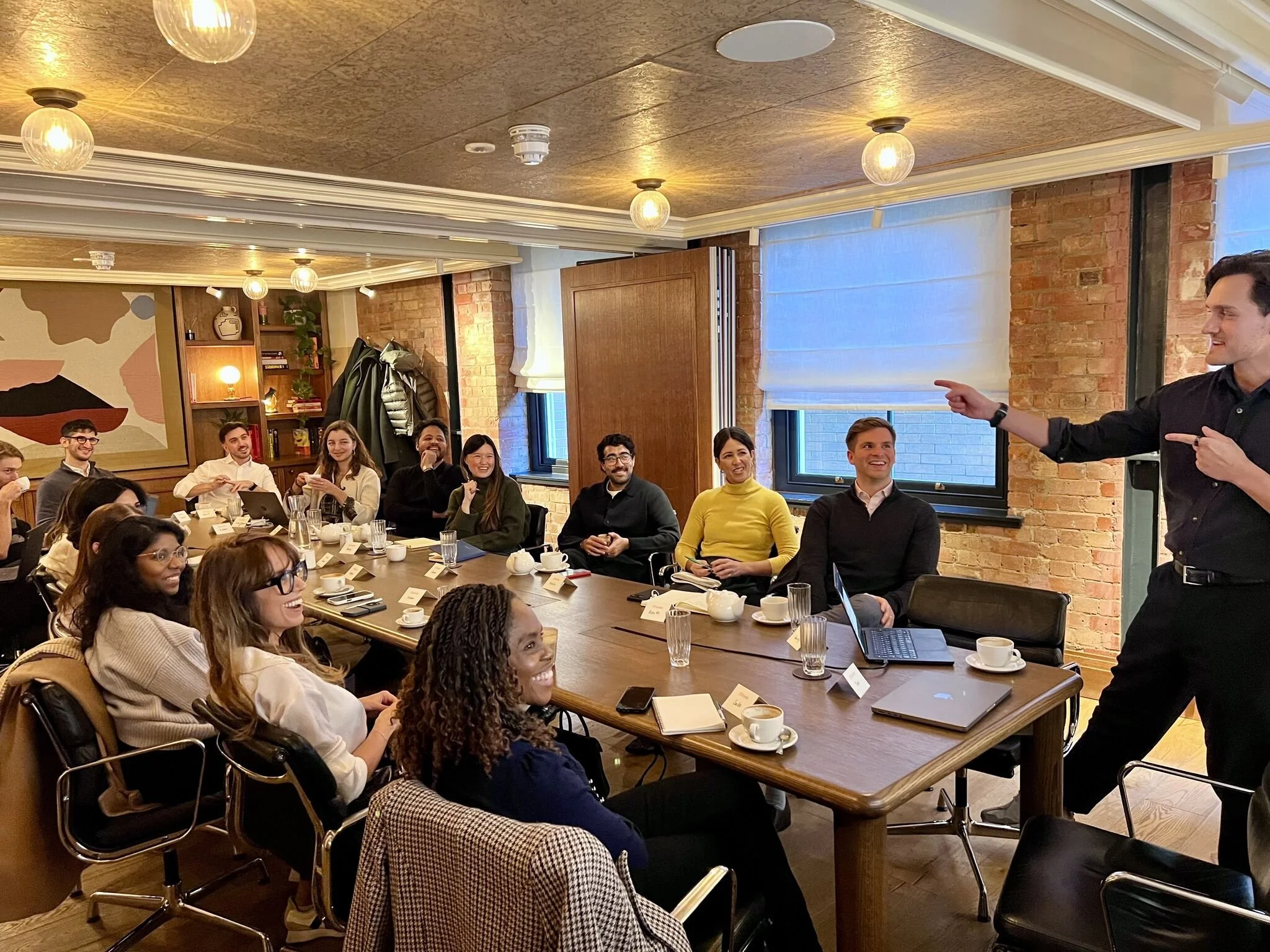

At Women’s Health Week Europe
The go-to regulatory compliance agency for femtech. Find out more.